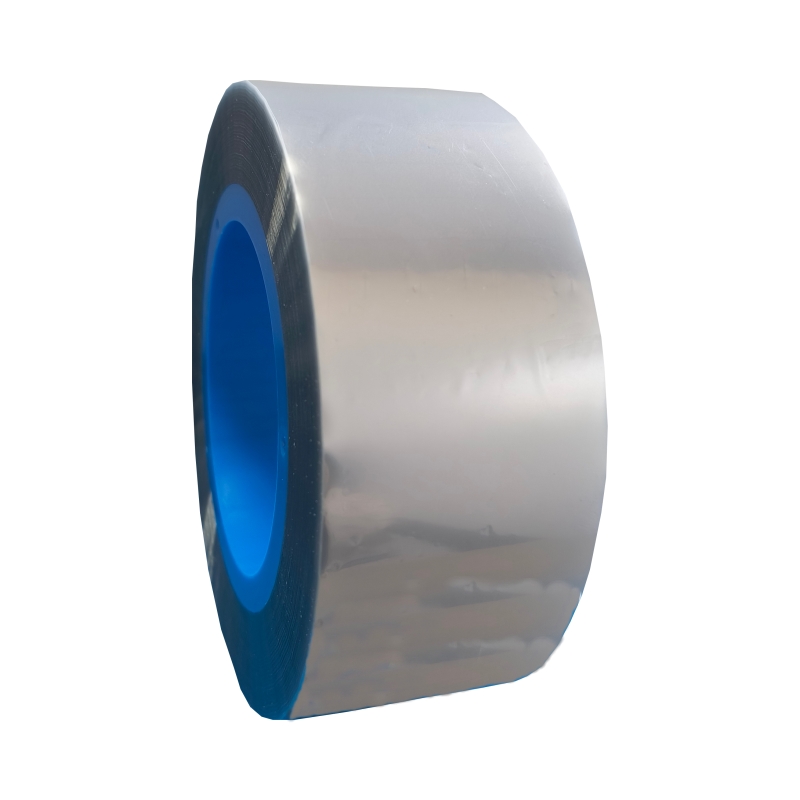
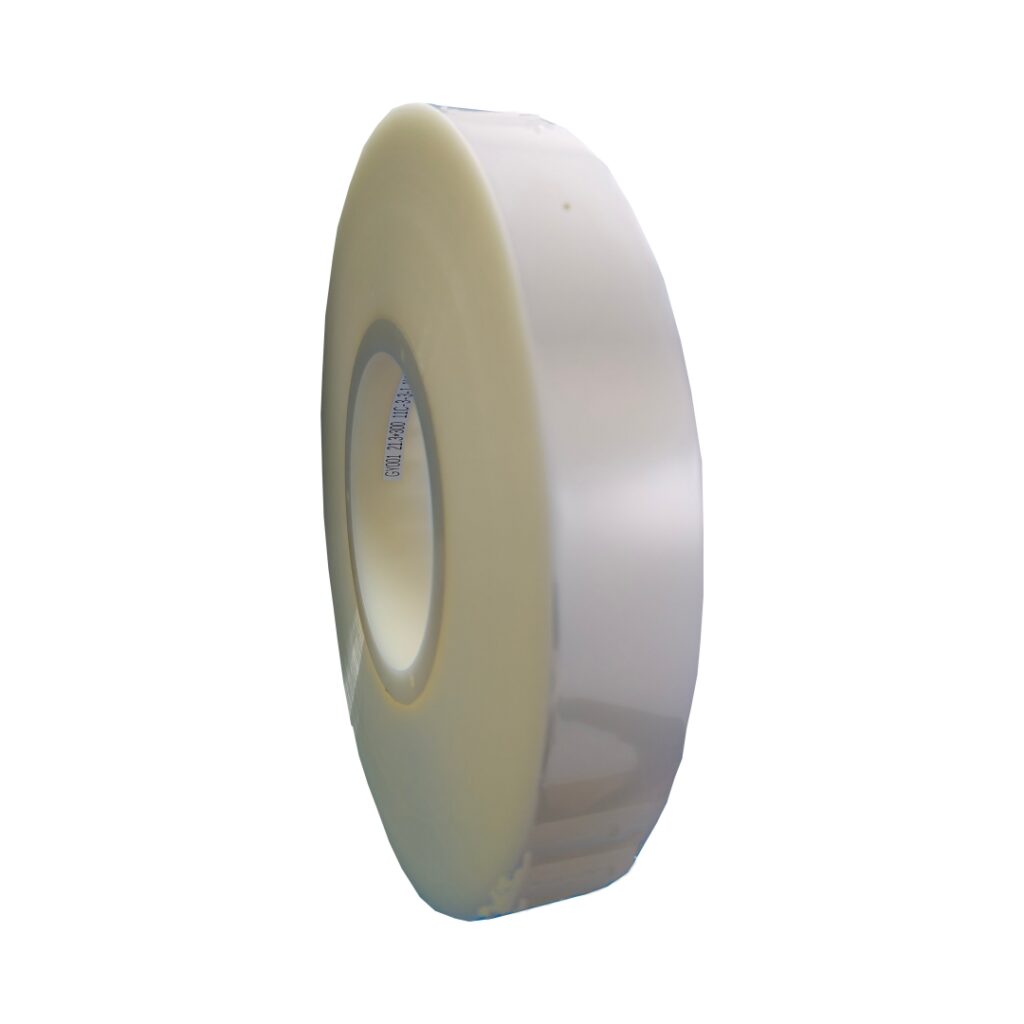
The following is a detailed breakdown of the common specifications for cover tape and carrier tape:
I. Common Specifications for Carrier Tape
Carrier tape specifications are primarily defined by their **Width (W) and Pitch (P)**. These standards typically adhere to the international EIA-481 standard.
1. Common Widths (W)
The width of the carrier tape is directly determined by the physical size of the electronic components it holds. Common standard widths include:
8mm: The most common width, used for surface-mount resistors, capacitors, and similar components (e.g., 0603, 0805, 1206).
12mm: Used for larger inductors, SOT-23 packages, and similar components.
16mm / 24mm: Used for Integrated Circuits (ICs) and larger connectors.
32mm / 44mm / 56mm / 72mm /88mm and above: Used for large modules or irregularly shaped components.
2. Common Pitches (P1)
The pitch refers to the distance between the center points of two adjacent pockets (cavities) on the tape:
2mm: Suitable for extremely small components (e.g., 0201, 0402).
4mm: The most commonly used pitch for standard-sized components.
8mm and above: Suitable for larger-sized electronic components.
II. Common Specifications for Cover Tape
Cover tape is a thin film sealed over the surface of a carrier tape; its key specifications are its width and sealing method.
1. Width Matching Table
The width of the cover tape must be slightly narrower than that of the carrier tape. The following table presents the standard industry matching configurations:
| Width of Carrier Tape | Width of Cover Tape |
| 8mm | 5.3mm or 5.4mm |
| 12mm | 9.2mm or 9.3mm |
| 16mm | 13.3mm |
| 24mm | 21.3mm |
| 32mm | 25.5mm |
| 44mm | 37.5mm |
| 56mm | 49.5mm |
| 72mm | 65.5mm |
| 88mm | 81.5mm |